How Do Fixed Income Strategies Adjust to Inflation?
by Gabriel Lewit
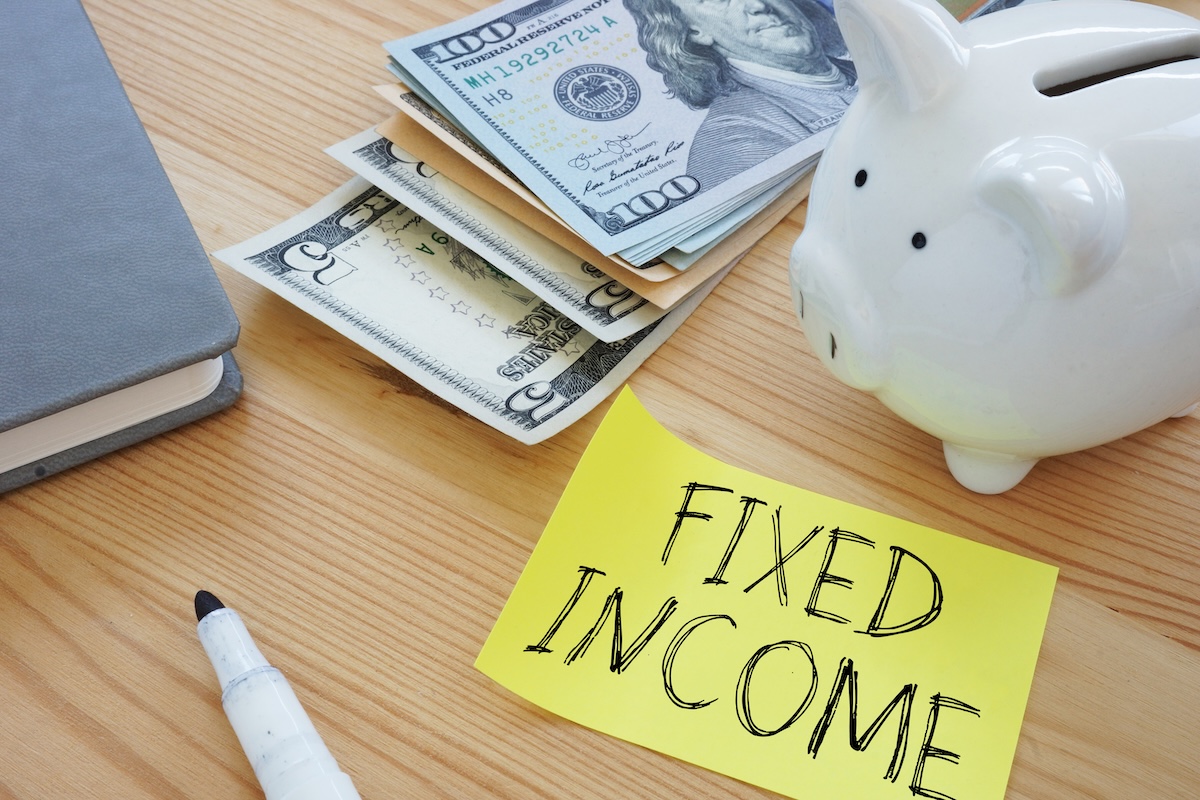
Inflation impacts everything, especially if you’re nearing retirement or have already retired. Prices don’t stand still, and when your portfolio is expected to support you for 20–30 years post-retirement, even modest inflation can quietly erode purchasing power.
That’s where fixed income strategies come into focus. For our Chicagoland financial advisors at SGL Financial, this is a conversation that comes up often in the retirement planning process.
You may have always thought of bonds as the “safe” part of your portfolio. But in an inflationary environment, they require more thoughtful positioning. Your goal shouldn’t be based solely on stability; it’s about ensuring your income keeps up with real-world costs over time.
Fixed income should continue to play a critical role in your retirement plan, but how it’s structured matters more than ever.
Check out our Quick Guide: “Is Inflation Quietly Disrupting Your Retirement Plans?”
Why Does Inflation Matter More in Retirement?
When you’re working, inflation can still affect your day-to-day costs, but your income may adjust over time through raises, bonuses, or career changes.
In retirement, that flexibility often goes away. Your income becomes more fixed, which makes inflation more impactful.
Here’s a simple way to think about it:
Let’s say you retire with $75,000 in annual income and inflation averages 3%; your purchasing power declines each year, even though your income stays the same.
Over time, that gap can start to affect how comfortably your income supports your lifestyle.
What does this mean for your strategy?
Fixed income planning isn’t just about generating income; it’s about maintaining real income. That means structuring your portfolio so your income can keep up with rising costs over time, not just today.
Read our blog: “How to Build a Portfolio That Keeps Up With Inflation.”
What Happens to Bonds When Inflation Rises?
When inflation rises, bond prices typically fall because rising inflation often leads to higher interest rates. As rates increase, newly issued bonds offer higher yields, making existing lower-yielding bonds less attractive in comparison. This interest rate sensitivity is captured by what’s known as duration risk, which can significantly impact the value of fixed-income investments, especially those with longer maturities.
What Is Interest Rate Risk, and Why Should You Care?
Interest rate risk (often referred to through the concept of duration) is one of the most important concepts to understand in a rising rate or inflation-driven environment.
Imagine you own a bond that pays 2% interest for the next 10 years. Now imagine new bonds are being issued at 5%. Your bond becomes less attractive in comparison, which means its market value falls if you were to sell it.
The longer the maturity (or duration), the more sensitive that bond is to changes in interest rates.
What This Means for You
If a large portion of your fixed income portfolio is tied up in long-term bonds, you may experience more price volatility when interest rates rise.
That doesn’t mean long-term bonds don’t have a place, but it does mean they should be balanced thoughtfully within your overall investment plan.
Our retirement income planning in Chicago often includes evaluating how much duration exposure makes sense based on your timeline and income needs, not just market conditions.
Listen to our podcast episode: ”Where to Park Your Cash.”
How Do You Balance Income Stability and Flexibility?
One of the biggest tradeoffs in fixed income is between income stability and flexibility.
Higher Stability:
- Long-term bonds
- Predictable income
- More exposure to interest rate changes
Higher Flexibility:
- Short-term bonds
- Lower price sensitivity
- Need to reinvest sooner (potentially at higher or lower rates)
Let’s say you want a predictable income, but locking in today’s rates for too long can work against you if rates rise further. On the other hand, staying too short-term may create uncertainty around reinvestment.
Think of it like renting vs. owning:
- Locking in long-term bonds = buying a house (stable, predictable, but less flexible)
- Staying short-term = renting (flexible, but subject to changing costs)
Our Chicago metro region financial professionals can work with you to create a more balanced, well-structured portfolio that often blends both.
Podcast alert: “The Retirement Risk Most People Overlook.”
How Can You Protect Bonds From Inflation?
Not all bonds behave the same way when inflation rises. You can help manage inflation risk in a bond portfolio by diversifying across bond types, incorporating inflation-protected securities (such as TIPS), adjusting duration, and structuring maturities to balance income and reinvestment flexibility.
A diversified fixed income strategy may include:
- U.S. Treasuries
- Corporate bonds
- Municipal bonds
- Treasury Inflation-Protected Securities (TIPS)
- Short-term and intermediate-term bonds
Each of these responds differently to inflation and interest rate changes.
For example:
- TIPS adjust with inflation, offering direct inflation protection
- Short-term bonds reduce duration risk and tend to be less sensitive to rising rates
- Corporate bonds may offer higher yields but introduce credit risk
Instead of relying on a single type of bond, diversification allows your portfolio to respond more dynamically. This is often a key component, especially if you plan to rely on your portfolio for consistent income.
What Is Structured Income Design, and Why Does It Matter?
This is where fixed income moves beyond just “owning bonds.” Structured income design focuses on aligning your investments with your actual spending needs.
Instead of asking: “What bonds should I own?”
You start with: “What income do I need, and when?”
Let’s say you need:
- $4,000/month for essential expenses
- Additional income for travel and discretionary spending
A structured approach might:
- Use predictable income sources (bonds, Social Security) to cover essentials
- Layer in more flexible investments for discretionary spending
This creates a clearer framework for how your portfolio supports your life, not just how it performs. At SGL Financial, this type of planning is a core part of our retirement income planning in Chicagoland, especially if you’re transitioning into retirement in the near future.
What Is a Bond Ladder Strategy?
A bond ladder is a fixed-income strategy where bonds are purchased with staggered maturities, allowing investors to receive regular principal repayments over time. As each bond matures, the proceeds are reinvested at prevailing interest rates, helping manage interest rate uncertainty while supporting a more consistent income stream.
Bond laddering is a practical way to manage rate uncertainty in any interest rate environment. For example, an investor might spread $500,000 across bonds maturing in 1, 3, 5, 7, and 10 years.
As each bond matures, it is reinvested at current rates. This helps:
- Reduce the impact of changing interest rates over time
- Provide predictable cash flow from scheduled maturities
- Avoid committing the entire portfolio to a single interest rate level
Example: Instead of investing $500,000 into a single 10-year bond, you diversify across multiple maturities. If rates rise, maturing bonds can be reinvested at higher yields. If rates fall, portions of the portfolio remain locked into higher-yielding bonds.
It’s a disciplined way to manage interest rate uncertainty without needing to forecast where rates are headed.
How Does This Fit Into Your Overall Retirement Plan?
Fixed income isn’t just a standalone piece of your portfolio. It’s part of a larger system that includes:
- Social Security timing
- Withdrawal strategies
- Tax considerations
- Investment allocation
When inflation rises, these pieces become more interconnected. For example:
- Higher inflation may increase your spending needs
- That may require higher withdrawals
- Which could impact taxes or portfolio longevity
That’s why fixed-income strategies are often coordinated within a broader plan rather than managed in isolation.
What Does This Look Like in Real Life?
Let’s look at a simplified example of a fixed income strategy.
Scenario:
You’re recently retired with:
- $1.5 million portfolio
- $60,000 annual spending need
- Concern about rising costs
Possible Approach:
- Short-to-intermediate bond exposure to reduce duration risk
- Laddered maturities for reinvestment flexibility
- TIPS allocation to help offset inflation
- Structured income design to cover essential expenses
This doesn’t eliminate uncertainty, but it gives your portfolio more ways to respond.
Why Work With a Chicagoland CFP® Professional on Fixed Income Strategy?
Inflation doesn’t impact everyone the same way. Your spending patterns, tax situation, and income sources all play a role in structuring your plan.
When you work with SGL Financial, our Chicago metropolitan area financial professionals can help you:
- Evaluate how inflation affects your specific plan
- Align your fixed income strategy with your retirement timeline
- Coordinate income, taxes, and investment decisions
The goal isn’t to outguess inflation. It’s to build a strategy that can adapt to it.
Ready to discuss your fixed income retirement planning needs? Let’s connect.